
How to Insulate Your Metal Building for Year-Round Comfort
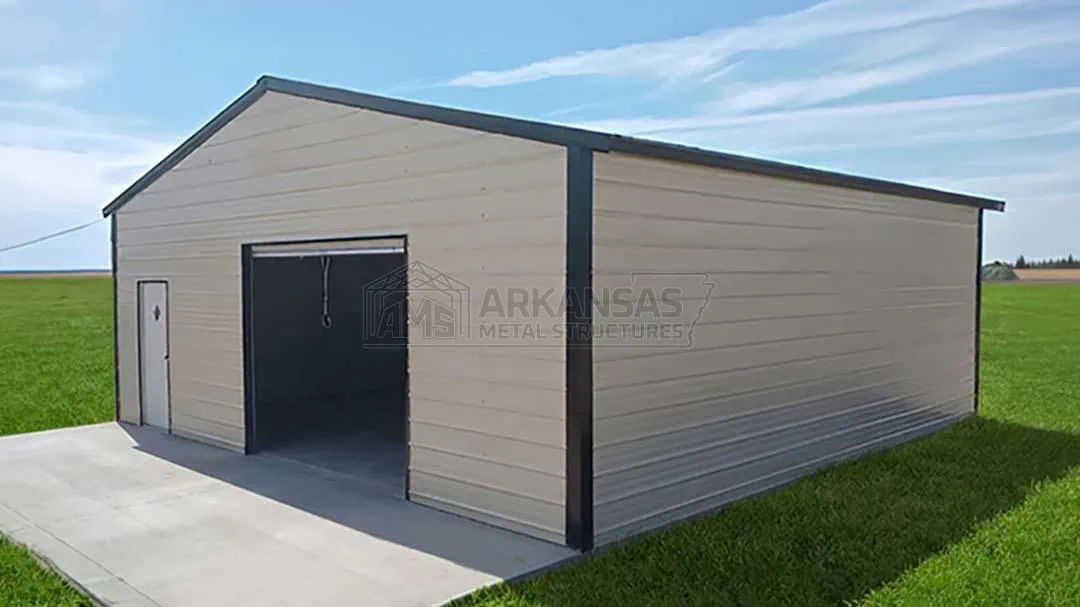
Insulating your metal building transforms it from a basic shelter into a comfortable, energy-efficient space that you can use year-round. Whether you're insulating a workshop, garage, barn, or commercial building, understanding your options is the first step toward making the right choice.
Why Insulate?
Uninsulated metal buildings experience extreme temperature swings — scorching hot in summer and freezing cold in winter. Insulation addresses this by creating a thermal barrier that keeps heat in during winter and out during summer. It also reduces condensation (a common issue with metal buildings), dampens noise from rain and hail, and can even improve the building's fire resistance.
Insulation Options
Vinyl-Backed Fiberglass (Most Popular): This is the most common insulation for metal buildings. It consists of fiberglass batts with a vinyl facing that creates a clean, finished interior appearance. Available in R-values from R-8 to R-30, it can be installed during initial construction or added later.
Spray Foam Insulation: Provides the highest R-value per inch and creates an airtight seal that eliminates condensation. It's more expensive than fiberglass but offers superior thermal performance. Available in open-cell (R-3.7 per inch) and closed-cell (R-6.5 per inch) formulations.
Rigid Board Insulation: Polystyrene or polyisocyanurate boards can be installed between wall and roof panels. They offer good thermal performance and moisture resistance but require careful installation to avoid gaps.
Reflective/Radiant Barrier: Thin, reflective materials that reduce heat gain by reflecting radiant energy. Often used in combination with other insulation types, they're particularly effective in hot climates where cooling is the primary concern.
Choosing the Right R-Value
The R-value measures insulation's thermal resistance — higher numbers mean better insulation. For Arkansas and the southern states, we recommend:
Walls: R-13 to R-19 for most applications
Roof: R-19 to R-30, especially if you plan to heat or cool the space
Minimum recommendation: R-10 for basic condensation control in unheated buildings
Installation Considerations
The easiest and most cost-effective time to insulate is during initial construction. Retrofitting insulation into an existing building is possible but typically costs 20–30% more due to the additional labor involved. If you're planning a new building and think you might want insulation in the future, we recommend at minimum ordering the building with insulation support brackets pre-installed.