
How to Prepare Your Site for Metal Building Installation
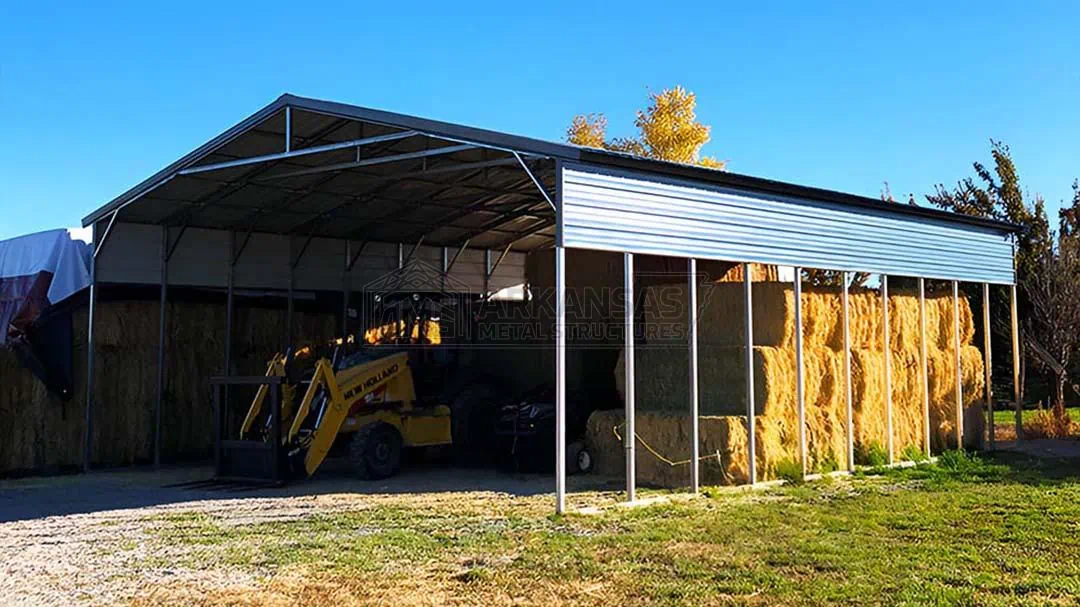
Proper site preparation is one of the most important factors in ensuring your metal building installation goes smoothly. Whether you're installing a carport, garage, barn, or commercial structure, taking the right steps beforehand can save you time, money, and headaches.
Step 1: Check Local Building Codes and Permits
Before you break ground, contact your local building department to find out what permits are required. Most areas require permits for structures over a certain size, and some have setback requirements that dictate how far the building must be from property lines. Your metal building provider should be able to help you navigate these requirements.
Step 2: Choose the Right Location
Consider drainage patterns, sun exposure, and access when selecting your building site. The area should slope slightly away from the building pad to prevent water from pooling around the foundation. Make sure delivery trucks and installation crews can easily access the site.
Step 3: Level the Ground
A level surface is essential for proper installation. The building pad should be graded to within 3 inches of level across the entire footprint. If your site has significant slope, you may need to bring in fill dirt or have the area excavated.
Step 4: Prepare the Foundation
Metal buildings can be installed on several types of foundations, including concrete slabs, concrete piers, gravel pads, or even directly on compacted ground. The best choice depends on your building's intended use, local building codes, and your budget. Concrete slabs provide the most durable and professional-looking foundation.
Step 5: Clear Overhead and Surrounding Obstructions
Remove any trees, branches, or overhead power lines that could interfere with the installation. The crew needs adequate clearance above and around the building site to safely assemble the structure. A general rule is to maintain at least 3 feet of clearance on all sides.
Step 6: Mark Utilities
Call 811 (the national "Call Before You Dig" hotline) at least two business days before any ground work begins. This free service will mark underground utility lines so you can avoid damaging gas, water, electric, or communication lines during site preparation.