
Understanding Metal Building Roof Styles: Regular, Boxed Eave, and Vertical
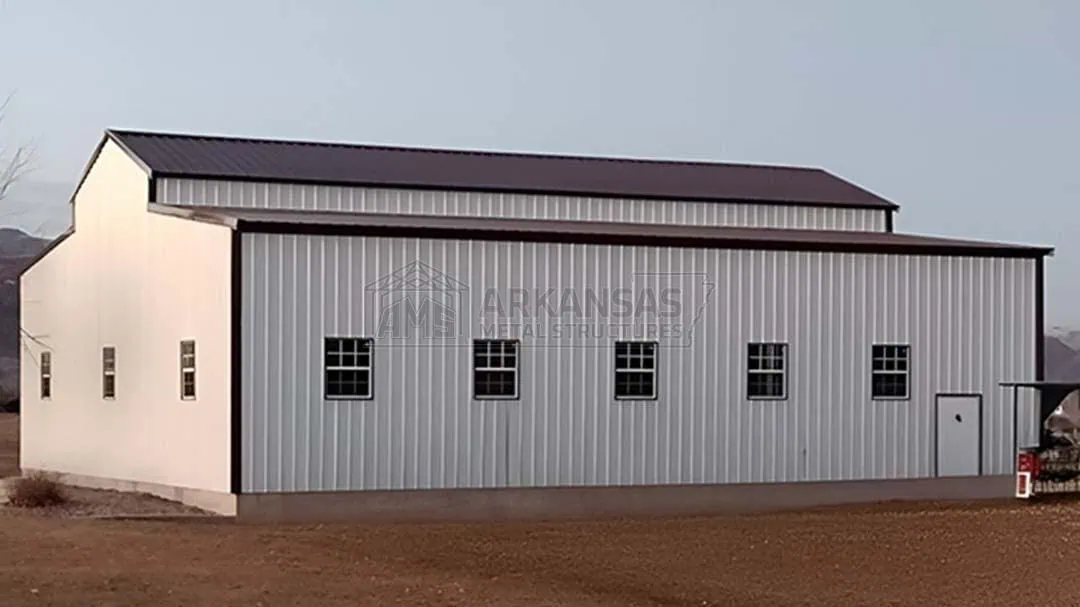
Choosing the right roof style for your metal building is more than an aesthetic decision — it directly affects durability, water drainage, snow shedding, and long-term maintenance costs. Here's what you need to know about each option.
Regular Roof (Economy Style)
The regular roof is the most affordable option, featuring rounded corners where the roof meets the walls and horizontal panel orientation. The panels run from side to side across the top of the building, which creates ridges that can trap water and debris.
Best for: Mild climates with low rainfall and no snow. Ideal for basic carports and temporary shade structures where budget is the primary concern.
Boxed Eave Roof (A-Frame)
The boxed eave roof has a traditional A-frame appearance with defined corners and a more residential look. However, like the regular roof, the panels are oriented horizontally. This style offers improved aesthetics over the regular roof but similar water-shedding performance.
Best for: Areas with moderate weather conditions. Popular for garages and structures where appearance matters but extreme weather isn't a concern.
Vertical Roof
The vertical roof is the premium option and the one we most frequently recommend. Panels run vertically from ridge to eave, allowing rain, snow, and debris to slide off quickly and efficiently. This style also includes a ridge cap and hat channels that provide additional structural support.
Best for: All climates, but especially areas with heavy rain, snow, or high winds. Required by many local building codes for permanently installed structures. The go-to choice for garages, barns, workshops, and commercial buildings.
Cost Comparison
A vertical roof typically adds 15–20% to the overall cost compared to a regular roof, but the improved durability and reduced maintenance make it the better long-term value. Many customers find that the vertical roof pays for itself within a few years through reduced repair and cleaning costs.
Our Recommendation
For any structure that will serve as a permanent addition to your property, we strongly recommend the vertical roof style. It meets the most stringent building codes, handles severe weather better, and maintains its appearance longer than other options.