
Why Vertical Roof Metal Buildings Are Worth the Investment
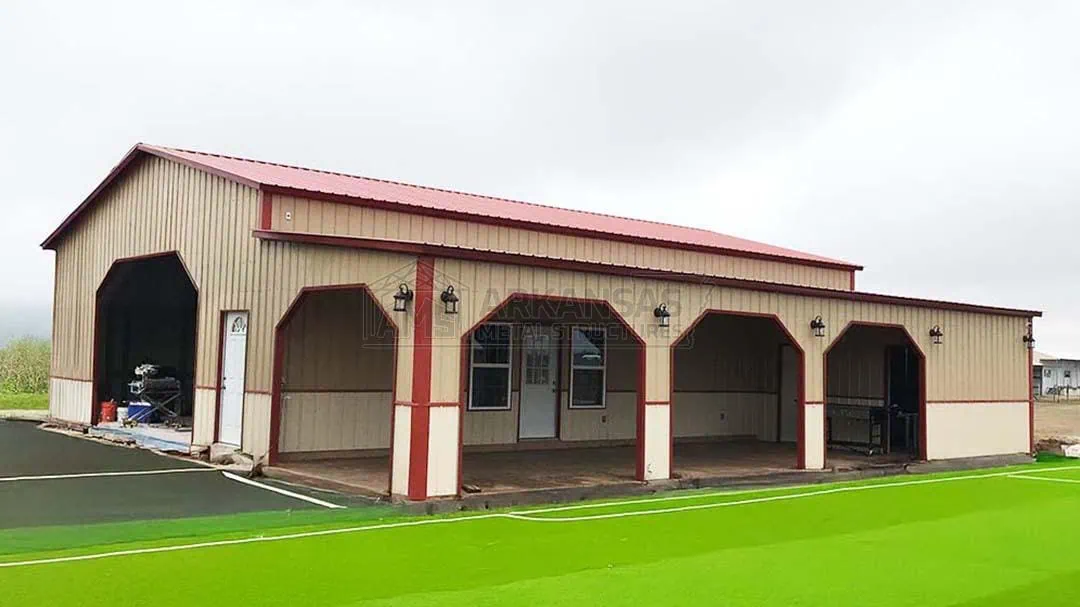
If you've been researching metal buildings, you've likely come across three roof style options: regular, boxed eave, and vertical. While the vertical roof costs more upfront, it's the option that builders, contractors, and experienced property owners consistently recommend. Here's why.
Superior Water Shedding
The vertical roof's panels run from the ridge (top center) down to the eave (edge), creating a straight path for water to flow off the roof. This is the same orientation used on residential homes and commercial buildings worldwide because it simply works better. Regular and boxed eave roofs have horizontal panels that create small ridges where water can pool, leading to potential leaks and accelerated panel deterioration over time.
Better Snow Load Performance
In areas that receive snow, the vertical roof excels. Snow slides off vertical panels much more efficiently than horizontal panels, reducing the weight load on your structure. This is why vertical roofs are often required by building codes in northern states and high-elevation areas.
Enhanced Wind Resistance
Vertical panels, combined with the hat channel support system, create a more rigid roof structure. This added rigidity translates to better performance in high-wind conditions. For areas prone to severe storms, the vertical roof provides an extra margin of safety.
Reduced Maintenance
Because water and debris don't accumulate on vertical panels the way they do on horizontal panels, vertical roofs require significantly less maintenance over their lifespan. You'll spend less time cleaning debris from panel ridges and less money on repairs caused by standing water.
Longer Panel Life
Standing water is the enemy of painted metal panels. Over time, pooled water breaks down the protective paint finish, leading to rust and corrosion. Vertical panels eliminate this problem by ensuring water flows off immediately. This extends the life of your roof panels by 10–15 years compared to horizontal panel orientations.
Building Code Compliance
Many jurisdictions now require vertical roof orientation for permanently installed metal buildings, especially those that need to meet specific wind and snow load ratings. By choosing a vertical roof from the start, you ensure your building meets or exceeds current and future building code requirements.
The Cost-Benefit Analysis
A vertical roof typically adds 15–20% to the total cost of your building. However, when you factor in reduced maintenance, longer panel life, better insurance rates (in some cases), and guaranteed code compliance, the vertical roof pays for itself within 5–7 years. For any building you plan to keep long-term, the vertical roof is simply the smarter investment.